At Audiometrics & Medical Personnel, we regularly work with businesses across New South Wales and Victoria where Poly Aromatic Hydrocarbons (PAHs) are present as part of normal operations. PAHs are not uncommon in Australian workplaces, particularly where combustion processes, diesel equipment, asphalt products, or contaminated materials are involved.
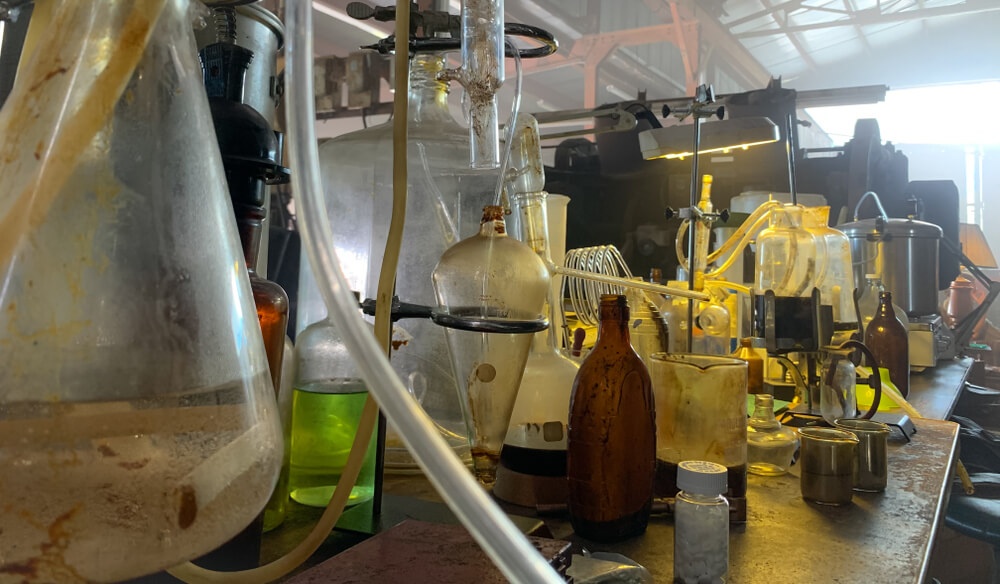
Poly Aromatic Hydrocarbons, also known as polycyclic aromatic hydrocarbons, are a group of chemicals formed during the incomplete burning of organic substances such as coal, oil, gas, wood, diesel, and bitumen. In workplaces, PAHs are most commonly encountered as airborne contaminants, surface residues, or soil contamination.
From a workplace health and safety perspective, PAHs are recognised hazardous substances. Where exposure is known or reasonably suspected, employers have a duty to assess and manage the risk to workers.
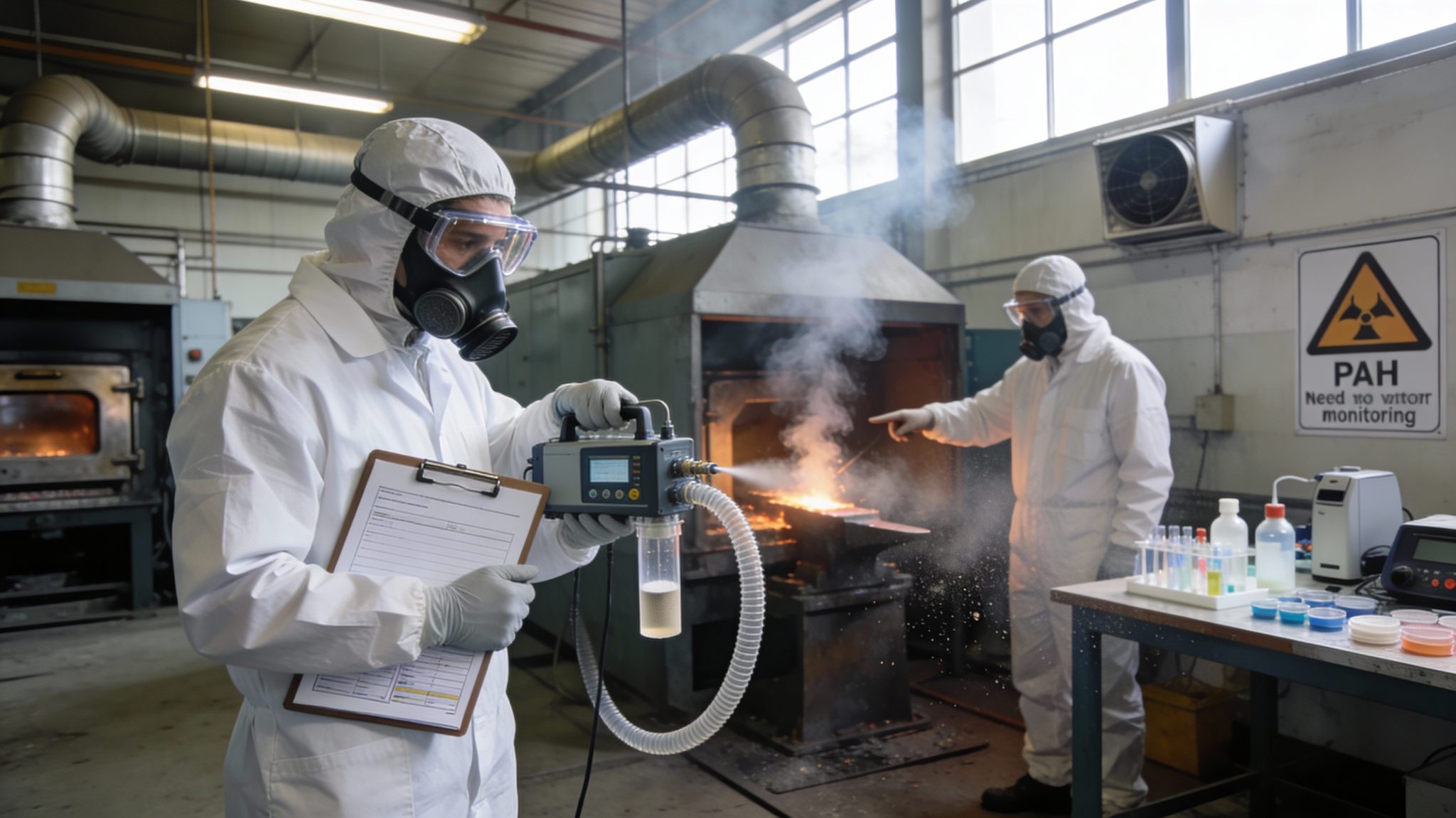
PAH testing in Australia is driven by work health and safety legislation, not optional best practice. Under WHS Regulations, a person conducting a business or undertaking must ensure that worker exposure to hazardous substances is below relevant exposure standards and as low as reasonably practicable.
PAHs fall under hazardous substances monitoring obligations when:
Combustion by-products are present
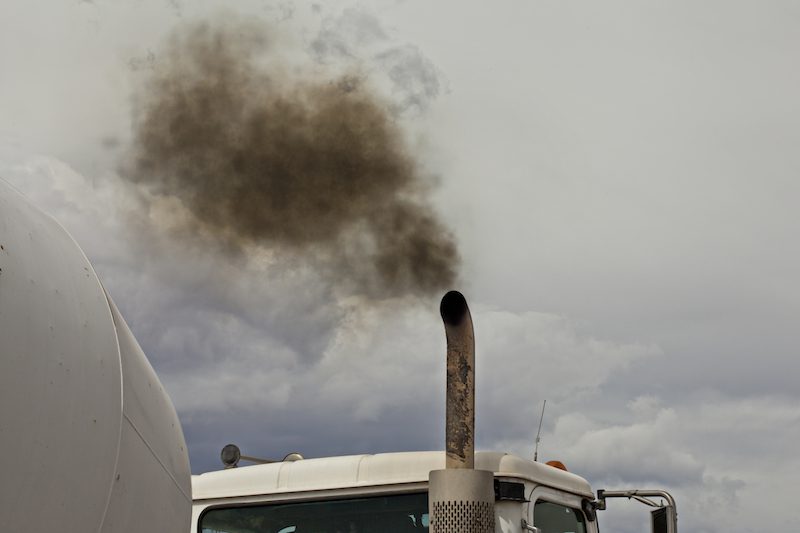
Diesel exhaust exposure occurs
Asphalt, coal tar, or bitumen products are used
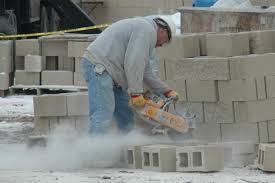
Contaminated sites are disturbed
Both WorkSafe NSW and WorkSafe Victoria expect employers to identify hazardous chemicals and conduct PAH exposure assessment where there is a foreseeable risk.
PAH testing in Australia is driven by work health and safety legislation, not optional best practice. Under WHS Regulations, a person conducting a business or undertaking must ensure that worker exposure to hazardous substances is below relevant exposure standards and as low as reasonably practicable.
PAHs fall under hazardous substances monitoring obligations when:
Combustion by-products are present
Diesel exhaust exposure occurs
Asphalt, coal tar, or bitumen products are used
Contaminated sites are disturbed
Both WorkSafe NSW and WorkSafe Victoria expect employers to identify hazardous chemicals and conduct PAH exposure assessment where there is a foreseeable risk.
Regulatory guidance sources include:
PAH workplace testing requirements are often reviewed during audits, inspections, incident investigations, or project approvals.
If you are responsible for health and safety, these scenarios commonly trigger PAH monitoring in the workplace:
Diesel powered plant or vehicles operating indoors or underground
Asphalt paving, road works, or civil construction activities
Manufacturing processes involving heat, furnaces, or combustion
Waste management or recycling involving mixed or legacy materials
Environmental or contaminated site works
If PAHs are present or likely to be generated, a PAH occupational hygiene assessment is the most practical way to demonstrate compliance.
PAHs are often overlooked because exposure is not always obvious. However, they are well documented for their potential health effects and regulatory significance.
PAH exposure health effects may include:
Respiratory irritation
Skin irritation or dermatitis
Increased long-term health risks with repeated exposure
From a compliance perspective, regulators focus on whether employers have:
Identified PAHs as a hazardous substance
Conducted a PAH health risk assessment
Implemented suitable controls based on monitoring data
PAH WHS regulations in Australia are risk-based, meaning monitoring is expected when exposure is suspected, not only when symptoms appear.
Mining and resources operations
Road construction and asphalt works
Manufacturing and heavy industry
Petrochemical and refining facilities
Waste management and recycling
Power generation and energy production
Contaminated land and remediation projects
Ports, rail yards, and transport infrastructure
Businesses across NSW and Victoria choose Audiometrics & Medical Personnel for PAH occupational hygiene because we focus on practical compliance outcomes.
Our clients value:
Occupational hygienist PAH testing expertise
Clear, regulator aligned reporting
National coverage including regional and remote sites
Integration with other exposure monitoring services
Advice that aligns with real workplace conditions
| Source | Typical Work Activities | Exposure Pathway |
| Diesel exhaust | Vehicles, generators, plant | Inhalation |
| Hot bitumen and asphalt | Road and civil works | Inhalation, skin |
| Coal tar products | Waterproofing, sealants | Skin, inhalation |
| Combustion processes | Furnaces, kilns, boilers | Inhalation |
| Contaminated soils | Remediation, excavation | Inhalation, contact |
At Audiometrics & Medical Personnel, PAH testing is conducted as part of a structured PAH industrial hygiene assessment.
Our process includes:
Reviewing tasks, materials, and exposure scenarios
Selecting appropriate PAH air monitoring or surface sampling methods
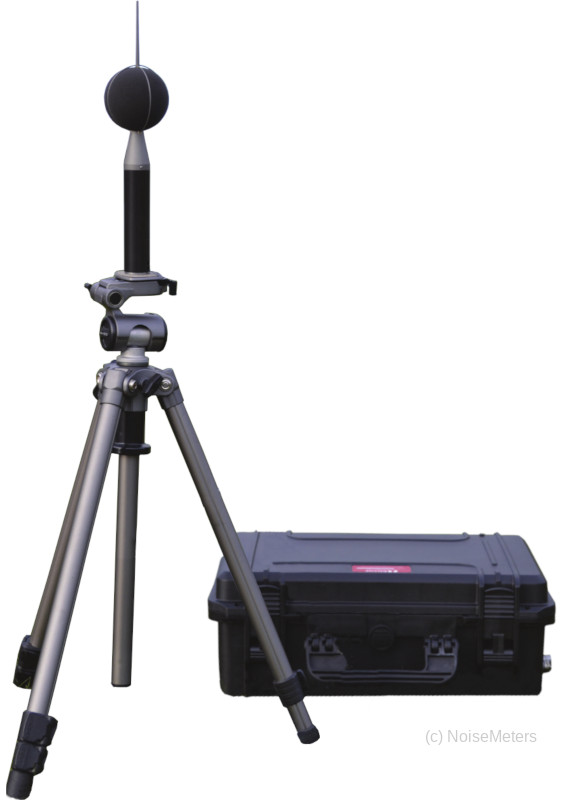
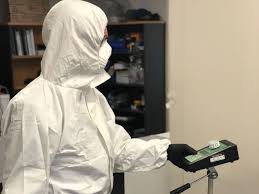
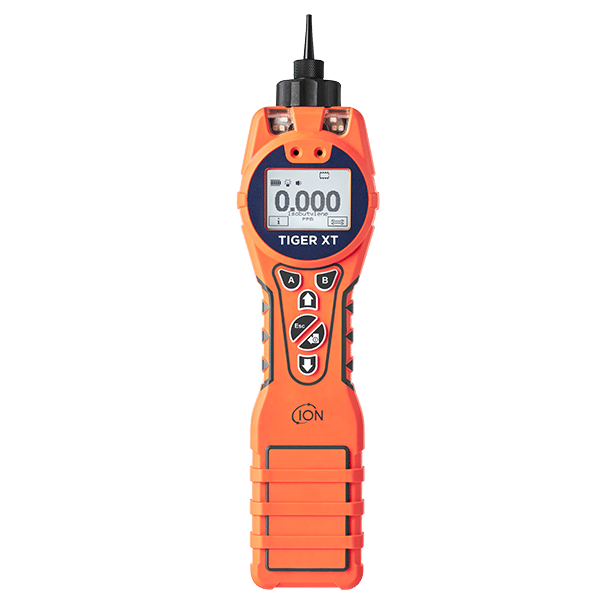
Conducting workplace sampling using calibrated equipment
Analysing samples through NATA compliant laboratories
Interpreting results against PAH exposure limits Australia
Providing clear recommendations for risk control
This approach supports WorkSafe PAH compliance and ensures results are meaningful, not just technical.
A PAH exposure assessment provides clear value beyond compliance.
Outcomes include:
Evidence of actual worker exposure levels
Documentation suitable for WorkSafe and EPA review
Practical control recommendations
Support for WHS management systems
Improved confidence for workers and management
PAH hazardous substances assessment also supports tender submissions, audits, and internal risk reviews.
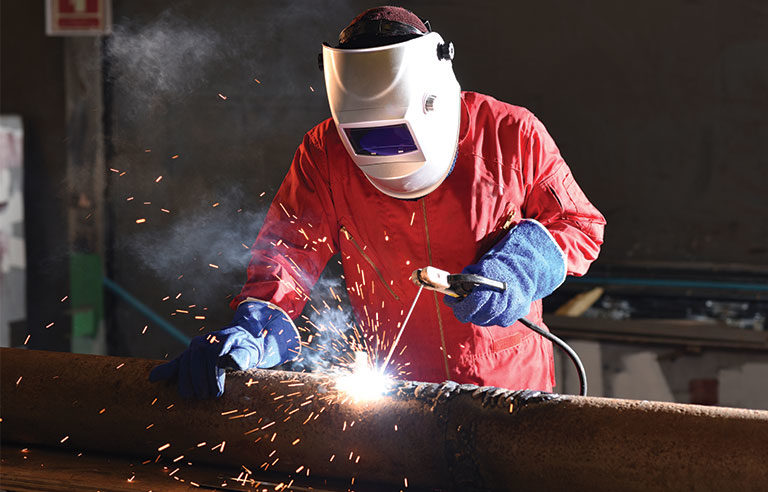
PAHs frequently occur alongside other hazardous substances. During site assessments, we often also review:
Diesel Particulate Matter (DPM)
Volatile Organic Compounds (VOC)
Welding fumes
Respirable dust and crystalline silica
General hazardous substances exposure
Combining assessments reduces disruption and improves overall risk management.
PAH exposure assessment is commonly arranged when:
Starting new construction or asphalt projects
Introducing new combustion processes
Managing contaminated or legacy sites
Responding to WorkSafe or EPA enquiries
Investigating worker health concerns
Reviewing WHS compliance programs
Early assessment helps avoid reactive compliance issues.
Poly Aromatic Hydrocarbons, also known as polycyclic aromatic hydrocarbons, are a group of chemicals formed when organic materials such as coal, oil, gas, diesel, wood, or bitumen do not burn completely. In workplaces, PAHs are commonly generated by diesel exhaust, hot asphalt and bitumen works, combustion processes, and the disturbance of contaminated materials.
PAHs are a concern because workers may be exposed through inhalation of airborne contaminants or through skin contact with residues. Exposure is often not obvious, particularly where diesel equipment or high temperature processes are used routinely. Australian WHS regulators recognise PAHs as hazardous substances, which means employers have a legal duty to identify exposure risks and manage them appropriately.
Audiometrics & Medical Personnel helps organisations identify where PAHs may be present, assess actual exposure levels, and provide clear advice on compliance and control measures.
Australian legislation does not always use the word mandatory, but under WHS Regulations, employers are required to identify hazardous substances and assess risks where exposure is known or reasonably foreseeable. PAHs fall under this obligation.
If PAHs are present or likely to be generated in the workplace, air monitoring or other forms of assessment are required to demonstrate that worker exposure is below exposure standards and as low as reasonably practicable. Regulators in NSW and Victoria routinely expect PAH exposure assessment where combustion by-products, diesel emissions, or asphalt materials are involved.
Audiometrics supports businesses by determining whether PAH monitoring is required and conducting assessments that meet WorkSafe and EPA expectations.
A PAH exposure assessment is usually required when workplace activities involve combustion processes or petroleum-based materials. Common triggers include diesel-powered plant operating indoors or underground, asphalt paving and road construction, manufacturing processes involving furnaces or kilns, waste management activities, or work on contaminated or legacy industrial sites.
If there is uncertainty, regulators expect employers to take a precautionary approach. Conducting a PAH occupational hygiene assessment provides evidence that risks have been properly evaluated.
Audiometrics assists by reviewing your work processes, materials, and environment to determine whether PAH monitoring is necessary and what type of assessment is appropriate.
The health effects of PAH exposure depend on the specific compounds involved, the level of exposure, and the duration of contact. Short-term exposure may cause respiratory or skin irritation, while long-term or repeated exposure to certain PAHs has been associated with more serious health outcomes.
From a WHS perspective, the key issue is not diagnosing illness but preventing exposure. Regulators focus on whether employers have identified the risk, measured exposure where required, and implemented suitable controls.
Audiometrics approaches PAH assessment as a preventative measure, helping employers understand exposure levels early and take action before health issues arise.
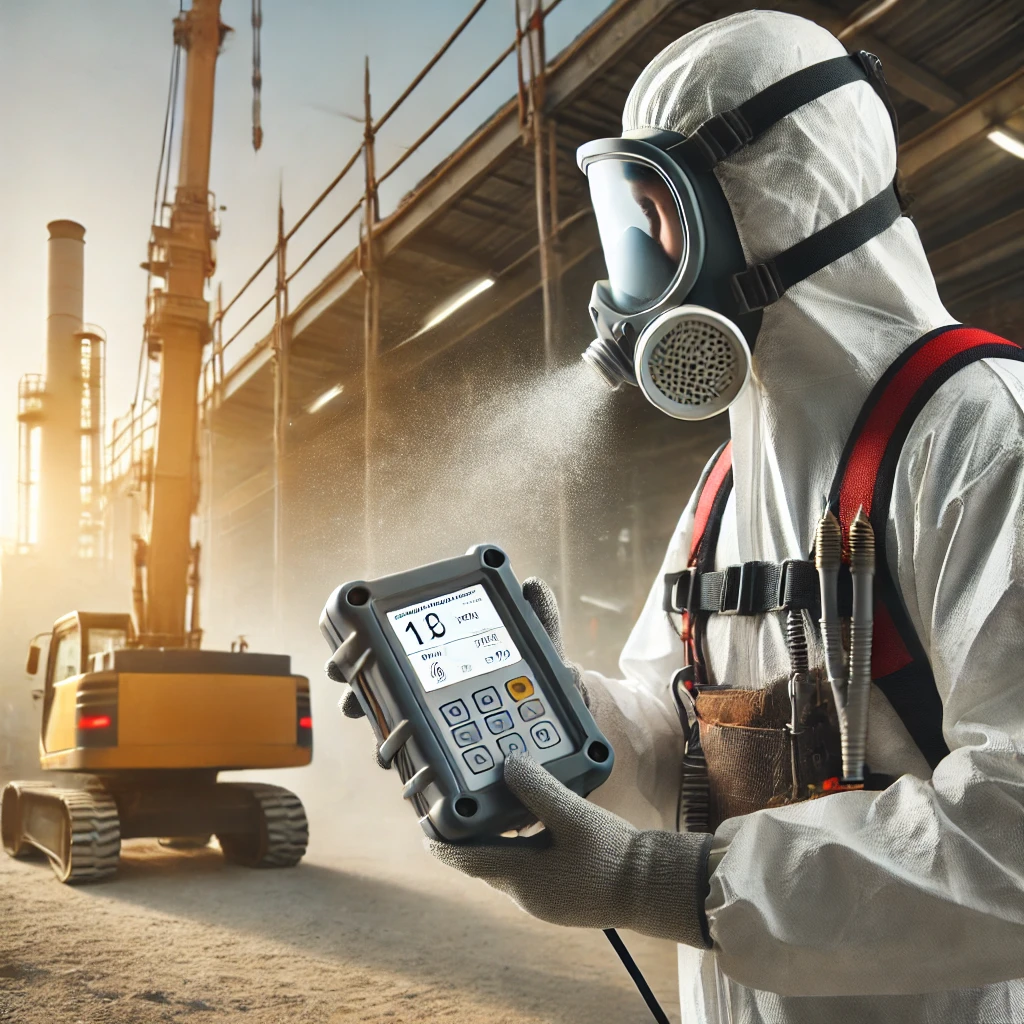
PAH testing is not a one-size-fits-all process. The assessment method depends on how PAHs are generated and how workers may be exposed. Testing may involve personal air monitoring, static air sampling, surface wipe sampling, or soil testing in contaminated environments.
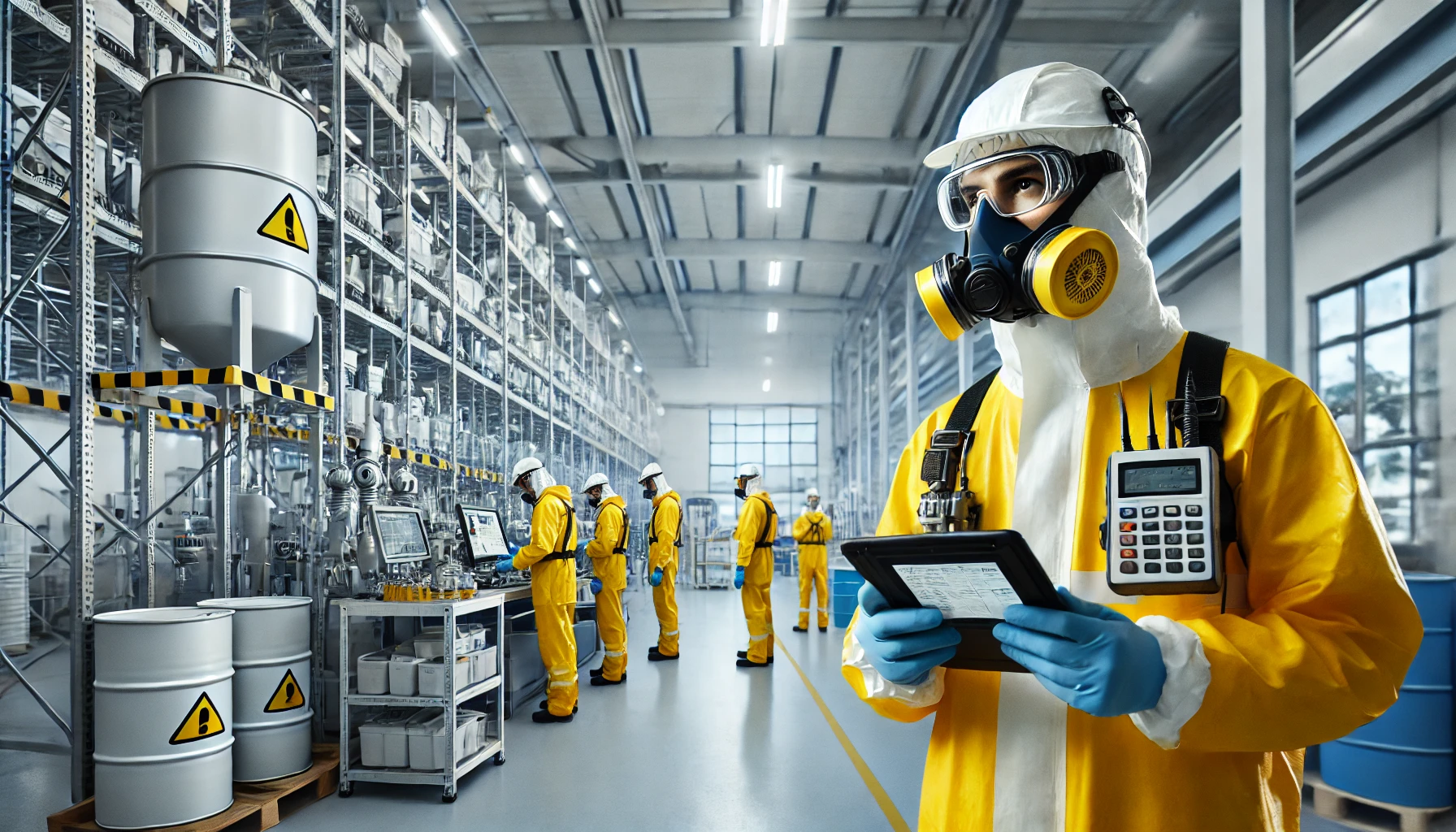
Audiometrics conducts PAH testing as part of a structured occupational hygiene assessment. This includes reviewing tasks and materials, selecting appropriate sampling methods, conducting on-site monitoring using calibrated equipment, and analysing samples through accredited laboratories. Results are then interpreted against relevant Australian exposure standards.
This approach ensures that testing reflects real working conditions and produces defensible results.
Safe Work Australia publishes workplace exposure standards for certain PAHs and requires employers to ensure exposure does not exceed these limits. In addition, WHS legislation requires exposure to be kept as low as reasonably practicable, even when results are below published limits.
Exposure standards are supported by guidance from WorkSafe NSW, WorkSafe Victoria, and EPA authorities, particularly where PAHs are present in contaminated environments.
Audiometrics helps employers interpret monitoring results correctly, understand how they relate to exposure standards, and determine whether additional controls or monitoring are required.
PAH monitoring is most commonly required in industries where combustion by-products or petroleum materials are present. These include mining and resources, road and asphalt construction, manufacturing and heavy industry, petrochemical and refining facilities, waste management and recycling, power generation, contaminated land remediation, and transport infrastructure such as ports and rail yards.
In NSW and Victoria, PAH exposure assessment is frequently undertaken as part of broader occupational hygiene programs or in response to regulatory oversight.
Audiometrics has experience conducting PAH assessments across these industries and understands the specific exposure scenarios involved.
WorkSafe and EPA authorities expect employers to demonstrate that hazardous substances have been identified, assessed, and controlled. PAH testing provides objective evidence of exposure levels and shows that a proactive approach has been taken.
Monitoring results, when supported by a clear occupational hygiene report, help demonstrate due diligence during inspections, audits, or investigations. This is particularly important when managing high-risk activities or contaminated sites.
Audiometrics provides regulator-ready reports that clearly explain methods, results, and recommended actions in language that inspectors and safety managers can understand.
Yes. PAHs often occur alongside other hazardous substances such as diesel particulate matter, volatile organic compounds, welding fumes, or respirable dust. Assessing these risks together provides a more accurate picture of overall exposure and reduces the need for multiple site visits.
Audiometrics routinely integrates PAH testing with other occupational hygiene assessments, helping businesses manage multiple compliance requirements efficiently and cost-effectively.
PAH testing is only one part of effective risk management. Audiometrics & Medical Personnel supports businesses by providing practical advice on exposure controls, supporting WHS documentation, and assisting with ongoing monitoring programs where required.
Our role is to help organisations understand their obligations, protect workers, and maintain compliance with WHS and EPA expectations across NSW, Victoria, and nationally. Clients value our experience, clear communication, and focus on real workplace outcomes rather than just laboratory results.
Poly Aromatic Hydrocarbons exposure is not always obvious and can vary widely depending on work processes, materials used, and ventilation conditions. In workplaces where combustion by-products, diesel exhaust, asphalt, or contaminated materials are present, formal assessment is often required to meet WHS obligations and protect worker health.
For expert PAH exposure assessment and monitoring across NSW and Victoria, contact Audiometrics & Medical Personnel on on 03 9819 4355 or email [email protected]. Our occupational hygienists provide practical, site-based PAH monitoring with NATA-accredited laboratory analysis and clear, regulator-aligned advice to support WorkSafe compliance and informed risk management.
Alternatively, complete the enquiry form below and one of our team will be in touch to discuss your PAH assessment requirements.
Lorem ipsum dolor sit amet, consectetur adipiscing elit. Ut elit tellus, luctus nec ullamcorper mattis, pulvinar dapibus leo.

Audiometrics and Medical Personnel ATF The Trustee for KM Future Trust
Business Centre Entrance, C4, Level 1/2 Main St, Point Cook VIC 3030, Australia
Level 17 1 Denison Street North Sydney NSW 2060
3 Amy close, North Wyong, NSW 2259
30 A Verri Street, Griffith, NSW 2680