Clandestine Laboratory & Illicit Drug Testing

Why Clandestine Laboratory/Illicit Drug Testing is Required?

Audiometrics & Medical Personnel provides specialised clandestine laboratory testing and illicit drug contamination assessments for workplaces in NSW, Victoria and nationwide. Our services target industrial and commercial sites warehouses, workshops, site compounds, staff areas and vehicles – where illegal drug manufacture or use may have occurred. We help duty holders (PCBUs, safety managers and consultants) identify and manage hidden drug hazards so that workplaces meet WHS and public health obligations.

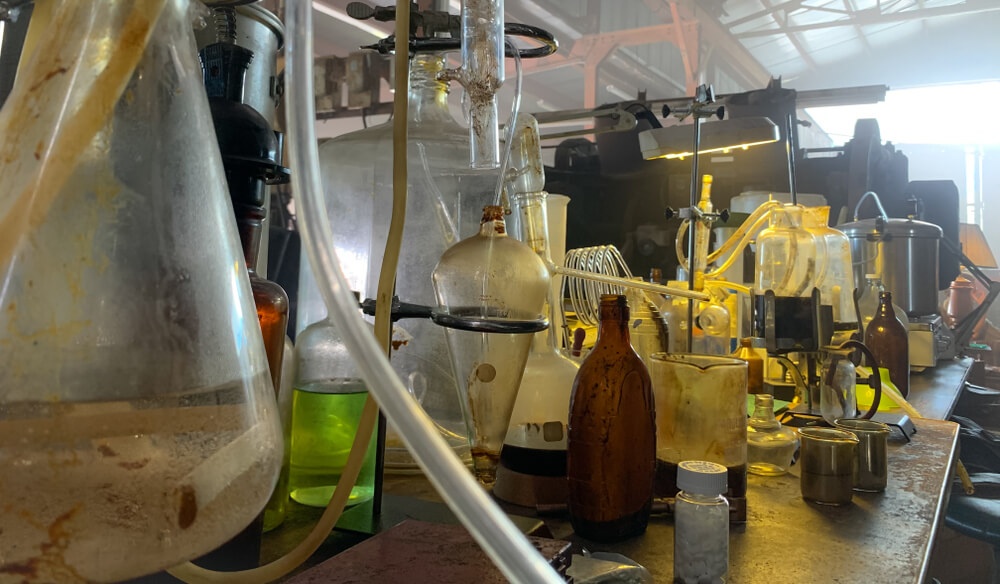
In a clandestine lab, a variety of volatile chemicals and drug residues can contaminate the air, surfaces and equipment. Without proper testing, workers can unknowingly inhale toxic vapours or touch contaminated surfaces. The NSW Health Remediation Guidelines note that methamphetamine and precursor chemicals “have the potential to be present in air as volatiles, aerosols or gases, [and to] remain or deposit to surfaces within” the site. Exposure to these residues has been linked to serious health effects (see below). Our testing identifies any such contamination so that risks can be controlled.

What Are Clandestine Laboratory & Illicit Drug Testing?

Clandestine laboratory testing (also called illicit drug site testing) is an environmental hygiene assessment. It involves systematically sampling air, surfaces and waste at a workplace to detect residues from illicit drug manufacture (primarily methamphetamine) or heavy use. This is not an employee drug test: it’s an analysis of the workplace itself for contamination. 

In practice, testing may include:
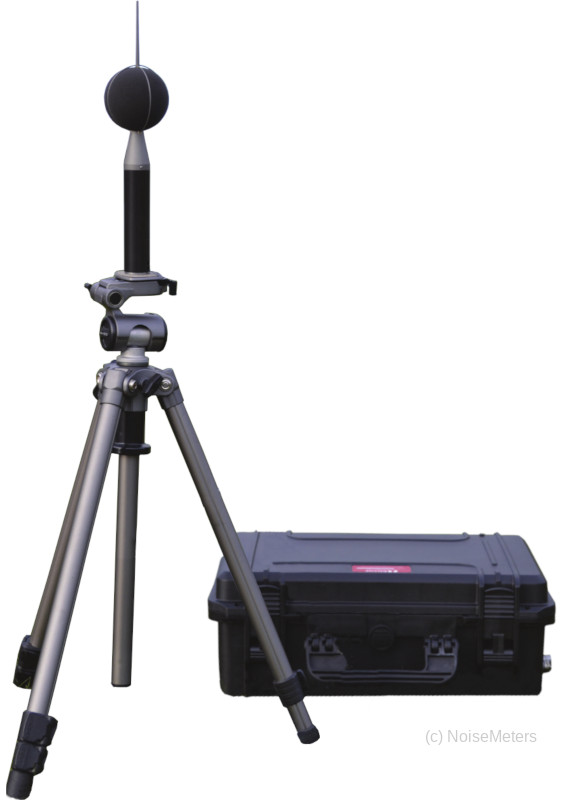
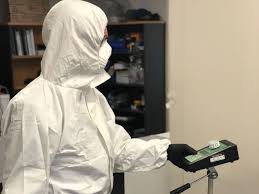
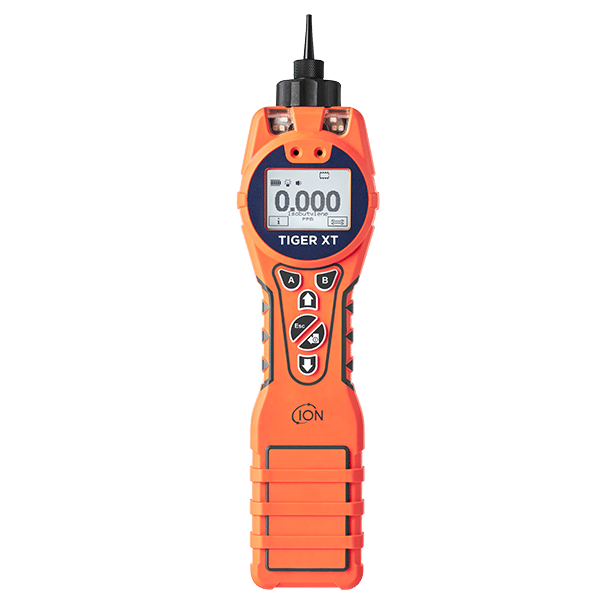
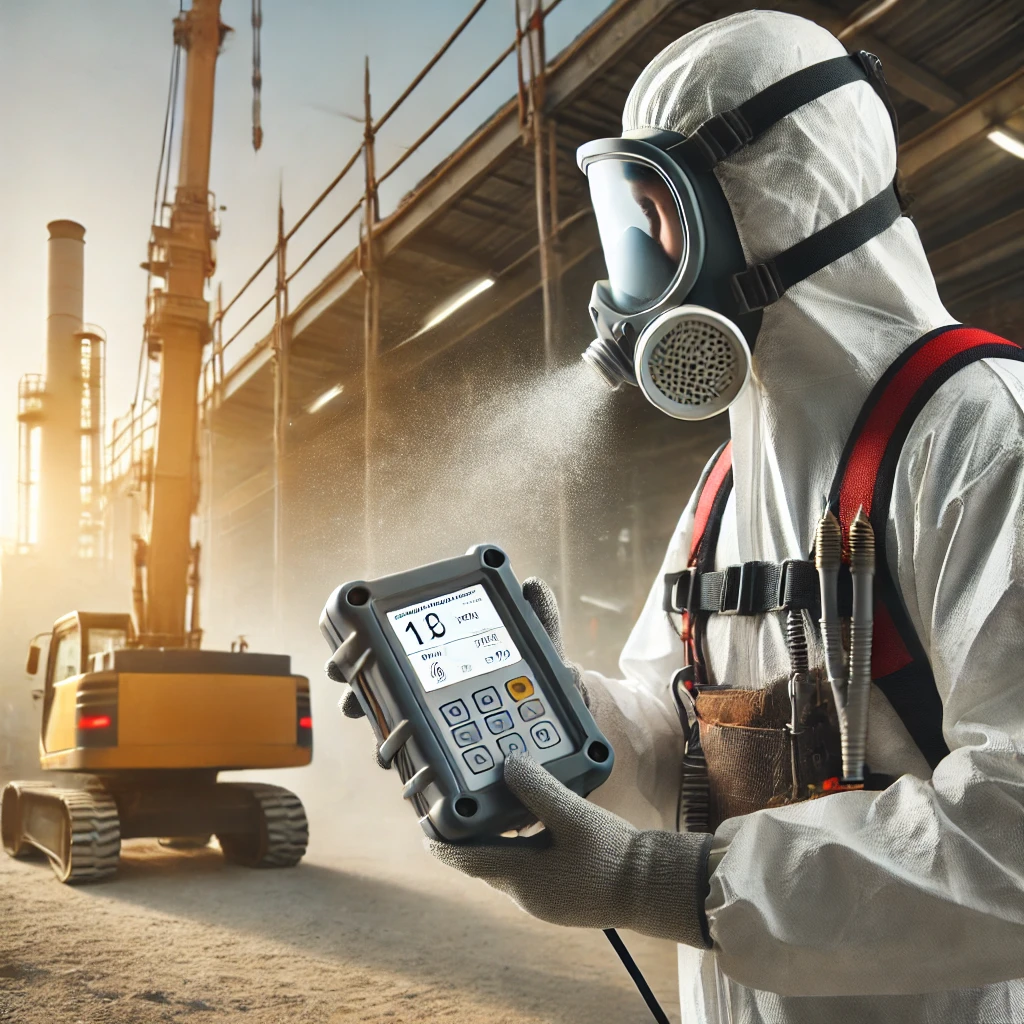
  • Air Monitoring : using photoionisation detectors (PIDs) for real-time screening of volatile organic vapours, followed by collection of air samples (e.g. evacuated canisters or adsorbent tubes) for GC-MS analysis.
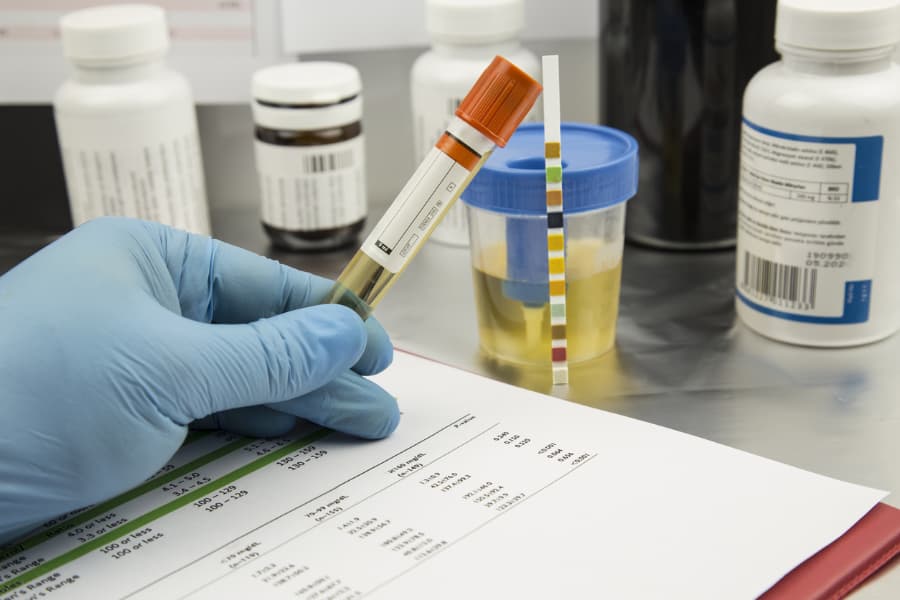
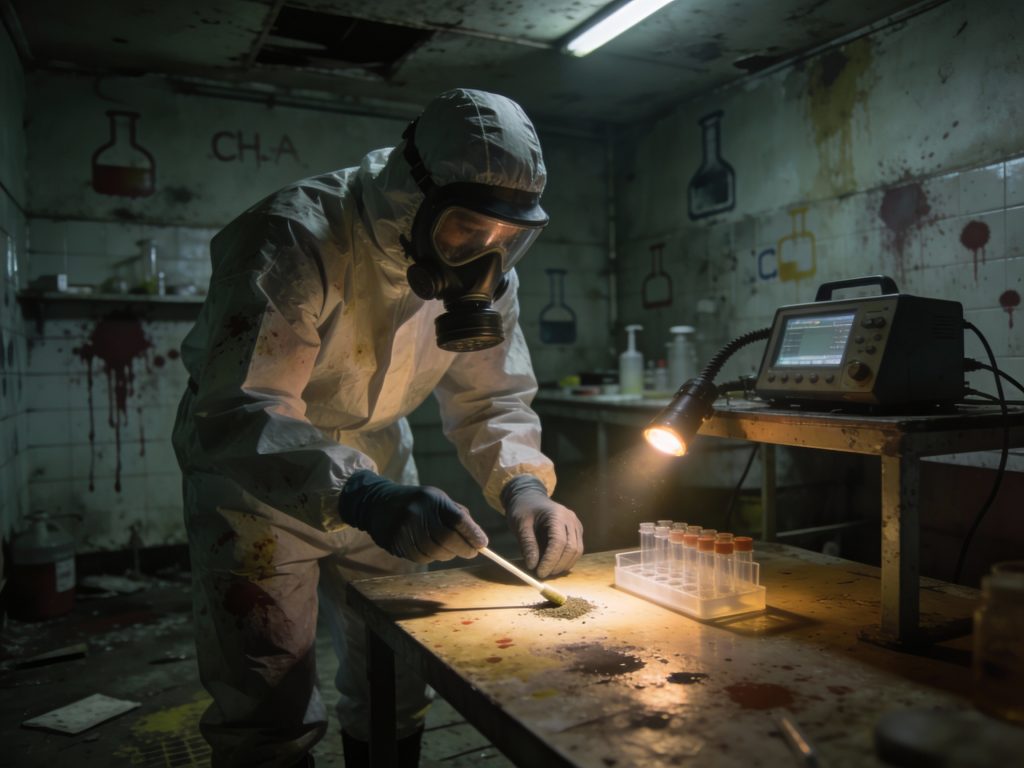
  • Surface Sampling : using swabs or wipes on walls, benches, machinery, or vehicle interiors to collect any drug residue. Swabs are initially screened (e.g. immunoassay) and then sent to NATA-accredited labs for confirmatory analysis 
  • Wastewater/Soil Testing : if chemicals or waste pipes are suspicious, we can sample drains, soils or stored waste (for example, septic systems) to check for disposed solvents or acids.
Clandestine Laboratory & Illicit Drug Testing Services

Relevant Government Guidelines and Requirements

Several Australian authorities provide guidance on managing clandestine drug hazards:

  • Safe Work Australia – Outlines general WHS duties for substances and for drug risks in the workplace. For example, Safe Work Australia emphasises that PCBUs must manage all health and safety risks and consult workers on those risks.
  • NSW Health Remediation Guidelines (2015) – A comprehensive manual for assessing and cleaning up former clandestine labs. It sets health investigation levels (HILs) and screening methods for methamphetamine on surfaces and in air (e.g. 0.5 µg/100 cm² for meth on surfaces). These guidelines (prepared by NSW Dept. of Health) are aligned with national ACC 2011 guidelines.
  • Commonwealth (AGD/ACC 2011) – The Australian Crime Commission and Attorney-General’s Department published national remediation guidelines in 2011 (“Australian Guidelines”) recommending contamination thresholds and clearance levels to protect human health. These “risk-based guidelines” cover surfaces, indoor air and soil for amphetamine-type substances, regardless of whether contamination is from use or manufacture. They are generally adopted by state health agencies.
  • State Health Regulations – New South Wales and Victoria both regulate contaminated sites. NSW relies on the above guidelines; Victorian health departments refer to the national standards (while currently lacking a specific state document). Safe Work NSW and Worksafe Victoria also provide workplace chemical safety frameworks which apply.


In summary, testing and remediation should align with WHS Regulations and public health guidelines. We ensure our sampling and analysis meet or exceed these official recommendations, and we cite government standards in our reports as needed.

Why Choose Audiometrics

  • Experienced Occupational Hygienists – Our team has over 15 years’ field experience. We understand drug lab hazards and WHS requirements, and speak the language of PCBUs, safety officers and public health regulators.
  • Full Mobile Capability – We cover sites across NSW, Victoria and Australia. Our mobile labs and equipment allow us to respond quickly to any site, including remote industrial areas.
  • Accredited Methods & Reporting – We use NATA-accredited laboratories and validated methods for methamphetamine and other drug residues. Reports compare results to national guidelines and provide clear recommendations.
  • Regulatory Alignment – We design assessments to satisfy WHS and public health duties. You’ll receive audit-ready documentation to demonstrate compliance with Safe Work and state health requirements.
  • Actionable Advice – Beyond raw data, we explain risks and suggest controls (ventilation, cleaning methods, PPE and administrative measures). We aim to demystify complex data so you can make prompt safety decisions.

Compliance and Risk

  • Under the model Work Health and Safety Act, a PCBU must manage health and safety risks in the workplace, including chemical hazards like hidden drug residues.​
  • Clandestine lab sites can pose serious WHS risks: airborne chemicals may exceed exposure limits, and surface residues can contaminate workers’ skin or clothing.
  • Public health laws require contaminated sites to be remediated before reuse.
  • In NSW, after a police raid on a meth lab, a notice is placed stating occupancy should not occur until remediation is done by a qualified contractor.
  • Both WHS duties and local health regulations demand clearance of drug lab sites.
  • PCBUs must act promptly; failure to identify or clean up contamination can result in legal liability under WHS, environmental, or public health laws.
  • Compliance means assessing drug-related contamination and cleaning up if levels exceed guidelines before workers re-enter.
  • Our testing checks if safe levels are achieved and informs PCBUs of their regulatory duties, linking results to standards for proper remediation.​

Our Clandestine Laboratory & Illicit Drug Testing Services

Audiometrics offers a complete suite of services to manage clandestine drug contamination risk in workplaces:

  • Site Inspection & Assessment: We conduct a thorough site visit to identify suspicious signs (chemical bottles, unusual staining or odors, security blackout) and plan the sampling strategy.
  • Air Sampling & Analysis: Using calibrated photoionisation detectors (PIDs) and gas sampling instruments, we screen for airborne solvents and drug vapours. If VOC levels are elevated (PID >1 ppm triggers further testing), we collect air samples for laboratory GC-MS analysis.
  • Surface Sampling & Analysis: We swab floors, walls, benches, vehicles and other surfaces to detect illicit drug residues. Initial field tests (immunoassay swabs) quickly indicate if meth is present above low levels. Confirmatory swabs are sent to NATA-accredited labs, and results are compared to health screening/investigation levels (e.g. 0.5 μg/100cm² for methamphetamine).
  • Wastewater & Soil Testing: If evidence suggests chemicals were dumped, we can sample drains, pipes, soil or groundwater. This involves PID screening of effluent and pH testing for spent acids/bases, followed by lab testing of grab samples. (NSW guidelines note that if drains or septic systems were used, pumping and disposal may be required.)
  • Validation and Clearance Testing: After any remediation work, we perform follow-up sampling to verify that air and surfaces are below guideline levels. Clearance testing provides documented evidence that your site is safe for re-entry or continuous operations.
  • Reporting and Recommendations: We deliver a comprehensive report that explains the findings in plain language, references the relevant standards/guidelines, and outlines any necessary control measures. This includes recommendations on ventilation improvements, cleaning procedures, PPE usage or policy changes to manage any residual risk.


Our approach is methodical and aligned with best practice. For example, NSW guidelines recommend at least one air sample per contaminated room and the use of PID <1ppm as a pass criteria. We adopt such protocols to ensure nothing is missed. By engaging an independent consultant like Audiometrics, PCBUs can demonstrate due diligence in assessing and clearing drug contamination hazards.

Short-Term & Long-Term Exposure Effects

  • Short-term exposure can cause eye, nose, throat irritation, headaches, dizziness, nausea, or respiratory distress.​
  • Chemical splashes or contact may lead to burns or skin damage.​
  • Long-term exposure can cause neurochemical brain changes, worsen immune disorders, and affect mood, coordination, or cognition.​
  • Some chemicals used are carcinogens or neurotoxins, posing chronic risks even in trace amounts.​
  • Our testing detects low-level contamination, helping PCBUs prevent hidden exposures and mitigate health risks.​

Exposure Pathways and Risk Scenarios

  • Airborne vapours: Volatile by-products (iodine, ammonia, solvents) accumulate in enclosed spaces; inhalation risks are assessed using PIDs and canister samples.​
  • Surface residue: Drugs and reagents deposit on surfaces; skin contact or hand-to-mouth transfer is a risk; swab tests detect these residues.​
  • Liquid/waste contamination: Chemical waste dumped into sinks, drains, or soil can contaminate plumbing or groundwater; inspection and proper disposal are needed.​
  • Confined or mobile spaces: High gas and surface contamination risks in small workshops, vehicles, or containers; targeted testing is conducted in such areas.​

When Is Testing Required?

Testing is warranted whenever there is suspicion or confirmation of illicit drug manufacturing in a workplace. Typical trigger events include:

  • Police or Emergency Intervention: If law enforcement raids a workplace and discovers a meth lab or drug production equipment, regulations require the site to be declared unsafe until remediated. In NSW, police place a sticker on the property and advise that “occupancy should not occur until site remediation has been undertaken”. Audiometrics can perform the mandated clearance testing after police completion.
  • Business Change of Use: If you acquire or lease an industrial/warehouse space with an unknown history, pre-emptive testing for drug residues is advisable. This is similar to any hazardous substances survey under WHS (e.g. asbestos, lead paint).
  • Health or Odour Complaints: Workers experiencing unexplained irritation, headaches or chemical odours may indicate hidden contamination. In such cases, testing pinpoints the source and rules out illicit residues as a cause.
  • Legal and Insurance Requirements: Some insurance policies or compliance audits for environmental/public health may mandate testing if drug activity is even suspected. We help satisfy these requirements by providing regulator-aligned documentation.
  • Re-Occupancy After Cleaning: Even if a site has been decontaminated privately (by a contractor), independent clearance testing is required to verify safety. We regularly do post-remediation clearance sampling per official guidelines.


In essence, any sign of clandestine drug use or manufacture – from suspicious equipment and chemicals to unexplained symptoms – should prompt a professional drug contamination assessment. Early testing prevents overlooking serious hidden risks.
Please Send Your Request - Complete Below Form

How Clandestine Drug Contamination Is Measured

We measure contamination using established industrial hygiene methods:

  • Air Monitoring: We scan areas with a calibrated PID. According to NSW Health guidance, a PID reading below 1 ppm indicates no further sampling. If readings exceed 1 ppm, we collect grab air samples in evacuated canisters (or sorbent tubes) and analyse them in NATA labs (following USEPA TO-15 or TO-17 protocols). This yields concentrations of specific chemicals (e.g. solvents like methanol, acetone or precursors).
  • Surface Sampling: We perform surface wipe/swab sampling. For drug residues like methamphetamine, we first use an immunoassay test to screen for presence. If positive or at high-risk locations, a second, adjacent area is swabbed and sent for quantitative analysis by an accredited laboratory. The NSW guideline specifies that the analytical method must detect down to the minimum Health Investigation Level of 5 µg per 100 cm². We compare measured µg/100cm² against this and other standards.
  • Quality Assurance: All our sampling follows chain-of-custody and QA/QC protocols. We take field blanks and duplicates (as recommended, 10% of samples), and use calibrated equipment. Laboratory analysis is done at NATA-accredited facilities to ensure defensible results.
  • Other Tests: If wastewaters are of concern, we use on-site pH meters and PID tests on effluent. Where needed, we measure odours or perform gas-specific tests (for example, formaldehyde sensors if formaldehyde was used in synthesis).


After data collection, we interpret results according to relevant benchmarks. The NSW Health guidelines and ACC guidelines provide “investigation levels” for methamphetamine and other drug-related chemicals. If sample results exceed these levels, it indicates that remediation is needed. We summarise findings in our report with clear statements such as “methamphetamine residue X µg/100cm², exceeding the 0.5 µg/100cm² guideline” along with citations.

FAQs

  1. Who should perform clandestine lab testing in my workplace?
    Testing must be done by qualified occupational hygienists or environmental consultants. Look for NATA accreditation and experience with illicit drug contamination. A PCBU should engage an independent third-party expert. This ensures objective results and that sampling protocols meet legal standards. Note Safe Work NSW advises consulting health/safety regulators for duties, and PCBUs must “manage health and safety risks” including chemical hazards.
  2. What are the clearance levels for methamphetamine on surfaces?
    In NSW and most jurisdictions, the recommended health investigation (or clearance) level is 0.5 micrograms per 100 square centimetres (0.5 µg/100 cm²) for methamphetamine on hard surfaces. This means any lab results above 0.5 µg/100 cm² indicate contamination above the target. Similar guidelines exist nationally (ACC 2011). Our reports will explicitly compare your sample results to these levels.

  3. How quickly can testing be done and results delivered?
    Emergency screening (PID scans, immunoassays) can be done on-site immediately. Full laboratory analysis (GC-MS) typically takes a few days to a week, depending on sample number. We prioritise urgent jobs: for a workplace shutdown, we can often complete initial assessment and have preliminary data within 24–48 hours. Final reports (with all lab results) usually follow within 1–2 weeks. We advise planning testing well before planned re-occupancy.

  4. Do I need testing if no clandestine lab is confirmed?
    It depends on your duty of care. If there was no evidence (equipment, chemicals, police action, unexplained health issues) of drug activity, testing may not be mandatory. However, if there’s any uncertainty in a high-risk industry (e.g. receiving goods from unknown suppliers), a precautionary test could protect your business. We recommend a targeted inspection and air/surface sampling if you suspect any illicit exposure.

  5. What Personal Protective Equipment (PPE) is needed during and after testing?
    During sampling, our team uses full chemical PPE (respirators, gloves, coveralls). For your workers, PPE depends on contamination level: if sites are “clean,” normal work PPE suffices. If testing shows residues, affected areas should be off-limits until cleaned. Then, workers should use gloves and respirators when handling any suspect materials during cleanup. Our report will advise appropriate PPE based on the measured contamination.

  6. How do Safe Work and health regulators view illicit drug contamination?
    Regulators treat clandestine drug contamination as a chemical hazard. Safe Work Australia’s guidelines remind PCBUs that managing drug risks (including secondary exposure) is part of WHS duties. State health authorities enforce site remediation (e.g. NSW Health). Our reports reference these agencies’ standards to help you satisfy regulatory expectations.

  7. Can I clear a site myself without professional testing?
    No. Self-declaration of “clean” is not sufficient. Due to the complexity of drug residues, expert testing is required. NSW guidelines explicitly state that a site must be assessed and remediated to defined standards by qualified professionals. Improper clean-up can leave dangerous residues. PCBUs should rely on licensed hygienists (like Audiometrics) who understand the legal benchmarks and have lab support for verification.

  8. How does this differ from employee drug testing?
    Employee drug testing (urine/saliva tests) checks individuals for drugs in their system. Our services check the environment for residual contamination. You may need both as part of a comprehensive workplace drug program, but illicit drug site testing is focused on hygiene and safety of the physical workplace, not employee behaviour.

  9. What should I do if tests show contamination?
    Follow a remediation plan. Notify your regulators if required, restrict access, and have the site professionally cleaned. Then perform clearance testing (we provide this). Only when all samples meet guideline levels (e.g. meth <0.5 µg/100cm²) can the site be reoccupied. Our team can advise on each step and review contractors’ work.

  10. Are there government resources or standards I should know?
    Yes. Key references include: NSW Health’s Remediation Guidelines for Clandestine Labs, the national ACC/AG 2011 guidelines, and Safe Work Australia’s general WHS duties (see the “Drugs and Alcohol” topic). WorkSafe NSW and WorkSafe Victoria provide general hazardous chemical guidelines. We keep current with all these resources and will cite them in our advice.

Ready to Mitigate Drug Lab Risks?

Ready to manage clandestine laboratory and illicit drug risks effectively? Partner with Audiometrics & Medical Personnel for expert site testing, contamination assessment, and compliance reporting.


Contact us on 03 9819 4355  or Email [email protected] to request a tailored plan or have a confidential discussion about your welding operations.

Service We Provide