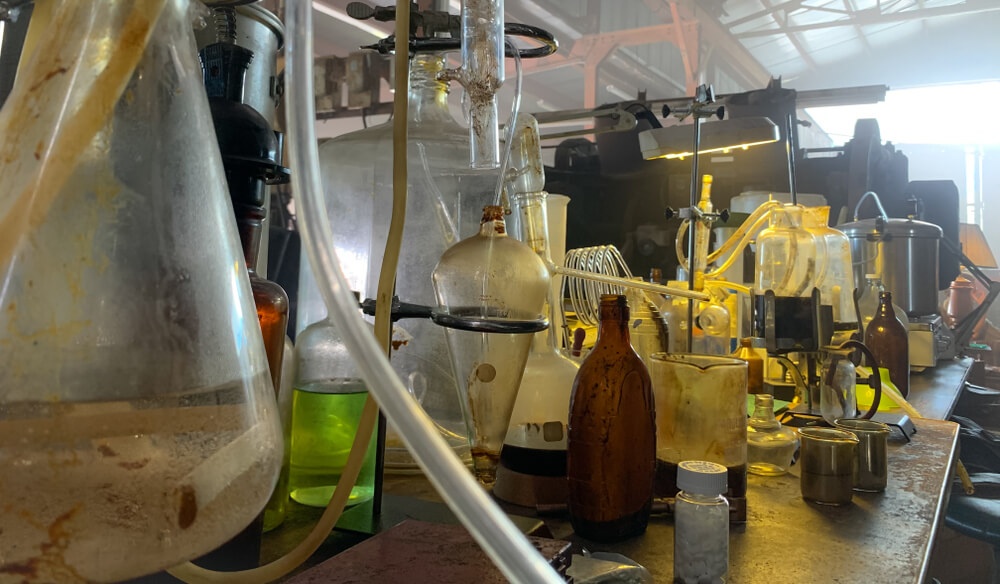
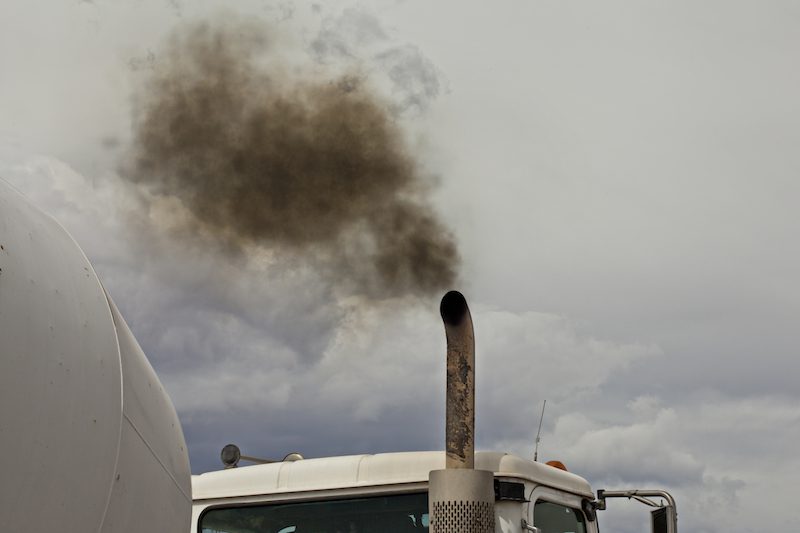
Workplaces that use, store or produce hazardous substances like paints, solvents, adhesives, fuels, cleaning agents, and chemical process gases—must actively manage the risks of VOC and vapour exposure. Under WHS law, every PCBU is responsible for keeping air contaminant levels, including volatile organic compounds, below the exposure standards set by Work Safe Australia and as low as reasonably practicable. This is about more than compliance: high VOC, gas, or vapour concentrations can cause headaches, respiratory issues, skin irritation, and even contribute to long-term chronic diseases and occupational asthma. Air monitoring should be carried out where there’s any health risk, after workplace changes, or when new products are introduced. Ongoing health monitoring may be required for at-risk teams, especially in enclosed or poorly ventilated spaces.

A professional assessment by Audiometrics & Medical Personnel includes:
Initial workplace survey: Identification of all chemical agents, sources and relevant tasks.
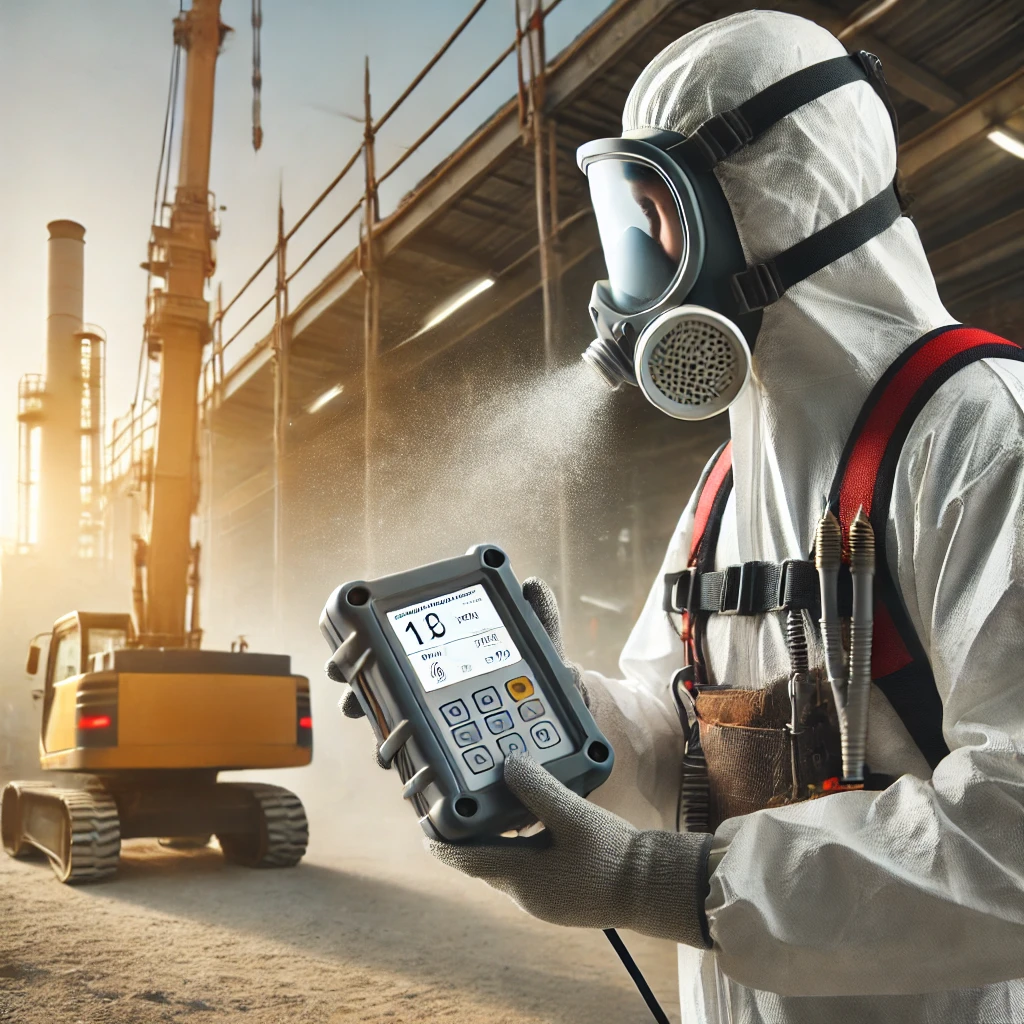
VOC and gas air sampling: Spot (grab) sampling, continuous monitoring, or both, depending on risk profile.
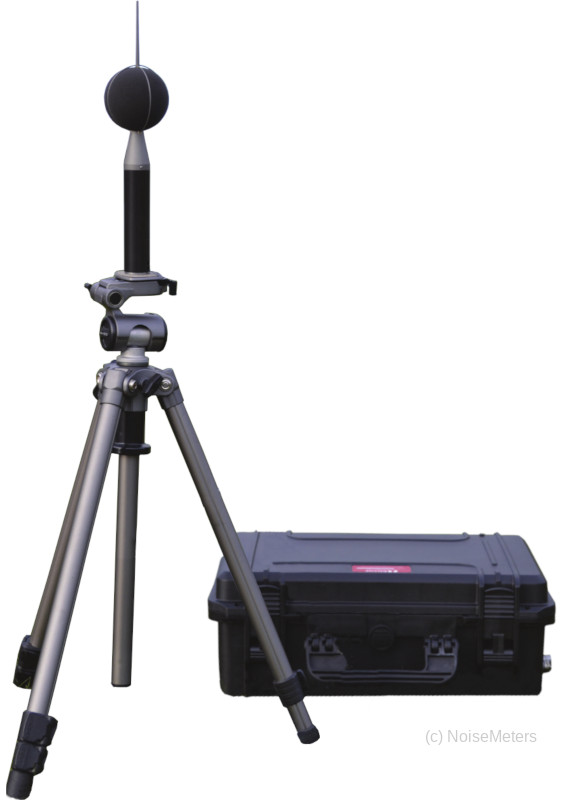
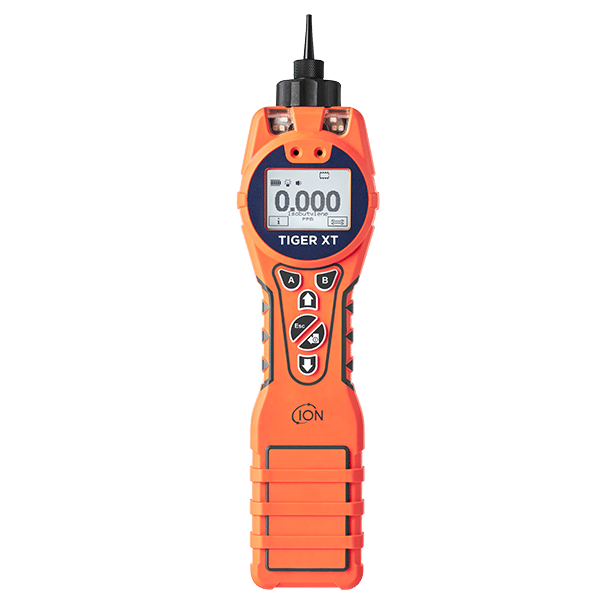
Detection methods: Utilising direct reading instruments (such as Photoionisation Detectors), sorbent tube sampling, or canister collection in line with Australian and international best practice (e.g. EPA TO-14/15/17).
Calibration and QA: All equipment is regularly calibrated; lab analysis is by NATA accredited facilities.
Comparison to exposure standards: All results compared to current WorkSafe Australia and Safe Work VIC/NSW exposure limits for each substance.
Clear reporting: Results presented with actionable recommendations for controls, engineering solutions, PPE, and administrative practices.
Baseline air quality testing and ongoing workplace air monitoring
Spot, time-weighted, and continuous VOC testing (for both general air quality and specific tasks/processes)
Targeted gases and chemical vapour assessments for formaldehyde, solvents, paint, fuel, refrigerant, welding gases, and more
Post-change and commissioning air quality validation
Complaint investigation and odour source tracing
Monitoring for insurance, WorkSafe, or regulator compliance
Ventilation assessment and indoor air quality checks for offices and industrial sites
With decades of experience across NSW and Victoria, our team offers:
Fully qualified occupational hygienists conducting all sampling and site reviews
Objective advice on when and how often to test (including after incidents or workplace changes)
Use of recognised air monitoring standards (AS/NZS, EPA, WorkSafe) and laboratory analysis for definitive results
Help to interpret complex VOC data, ensuring clarity for managers and teams
Tailored control recommendations plus compliance documentation ready for audit, council, or insurance requirements
| Feature | VOC, Gases & Vapours Monitoring | Basic Air Quality Check |
|---|---|---|
| Purpose | Legal, health & insurance compliance | General comfort or odour investigation |
| Monitoring method | Calibrated instruments, lab testing via sorbent/canister/GC-MS | Basic sensor or subjective inspection |
| Reporting | Documented against exposure standards; audit-ready | Not referenced to any standards |
| Health risk covered | Acute toxicity, allergy, cancer, organ effects | General wellbeing (not disease prevention) |
| Who needs it? | Businesses handling or exposed to hazardous chemicals | Any area with odour or employee discomfort |
Full description of substances and sources monitored
Summary and interpretation of air monitoring results vs. exposure standards
Details on sampling method, equipment and calibration status
Clear health risk commentary for each result
Practical control advice (ventilation, substitution, PPE, policies)
Record of compliance for audit/insurer/regulator
Next steps for ongoing testing or health monitoring
Chemical manufacturing and storage
Paint, coatings, and resin production
Warehousing and logistics
Laboratories, healthcare and pathology
Food processing and packaging
Automotive repair and refinishing
Facilities, offices, and commercial property management

| Section | Details |
|---|---|
| Industry / Site Type | Automotive Components Manufacturing Facility – Victoria |
| Situation Overview | Workers in the coating and assembly area reported strong chemical odours, headaches, and throat irritation after a new solvent-based adhesive was introduced. The company had not updated its ventilation system, leading to poor indoor air quality and employee health complaints. |
| Hazards Identified | High concentrations of toluene, xylene, and ethylbenzene (all VOCs with low exposure limits). Inadequate local exhaust ventilation. VOC levels exceeding 3x the WorkSafe Australia exposure standards (TWA) in certain zones. |
| Health & Safety Impact | Immediate irritation and fatigue among workers. Increased long-term health risk due to chronic VOC exposure. Several employees temporarily reassigned. Raised WorkSafe non-compliance and potential insurance audit pen. |
| Audiometrics’ Assessment & Actions |
Step 1 – Site Assessment: Reviewed ventilation layout, MSDS sheets, and identified emission sources. Step 2 – Air Sampling: Conducted real-time and 8-hour air sampling using sorbent tubes and PID detectors during production. Step 3 – Laboratory Testing: Samples analysed via GC-MS, revealing elevated toluene (120 ppm) and xylene (90 ppm) levels. Step 4 – Recommendations: Installed local exhaust ventilation (LEV), improved airflow, and substituted low-VOC adhesives. Step 5 – Post-Remediation Verification: Conducted follow-up air monitoring to confirm VOC reduction. |
| Monitoring & Analysis Methods |
Sorbent tube air sampling and GC-MS laboratory analysis. Real-time PID (Photoionisation Detector) readings. 8-hour time-weighted average (TWA) sampling across production shifts. Workplace exposure comparison against WorkSafe Australia standards. |
| Results Before & After |
Before: – Toluene: 120 ppm – Xylene: 90 ppm – Air Quality: Unsafe; exceeded exposure limits – Worker symptoms: Headaches, dizziness, throat irritation After Remediation: – Toluene: 25 ppm – Xylene: 18 ppm – Air Quality: Within safe exposure levels – Symptoms: None reported |
| Outcome |
85% reduction in VOC levels across all monitored areas. Full WorkSafe compliance achieved. Normal operations safely resumed. Ongoing VOC monitoring program implemented for sustained compliance. |
| Client Feedback | “Audiometrics’ VOC assessment identified the source of exposure quickly. Their detailed reporting and recommendations helped us control emissions, protect employees, and maintain full compliance with WorkSafe standards.” |
Contact Audiometrics & Medical Personnel for expert VOC, gas, and vapour risk assessment, tailored control solutions, and clear reporting that stands up to any audit. Start a safer, healthier workplace today:
Call 03 9819 4355 or Email [email protected]?
Lorem ipsum dolor sit amet, consectetur adipiscing elit. Ut elit tellus, luctus nec ullamcorper mattis, pulvinar dapibus leo.

Audiometrics and Medical Personnel ATF The Trustee for KM Future Trust
Business Centre Entrance, C4, Level 1/2 Main St, Point Cook VIC 3030, Australia
Level 17 1 Denison Street North Sydney NSW 2060
3 Amy Close, North Wyong, NSW 2259
30 A Verri Street, Griffith, NSW 2680