Post Fire Remediation Assessment

Fire incidents leave more than visible damage. Even after flames are extinguished, effected place remained exposed to invisible hazards such as toxic residues, airborne contaminants, and structural risks. A professional post fire remediation assessment ensures that your place is safe, compliant, and ready for re-occupancy.

At Audiometrics & Medical Personnel, we provide independent, science-based fire damage assessment services across New South Wales, South Australia and Victoria, helping businesses make informed decisions following fire restoration and smoke damage restoration processes.
post fire remediation assessment

What Is Post-Fire Remediation Assessment

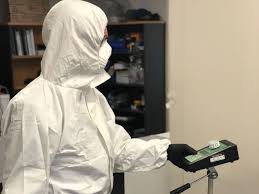
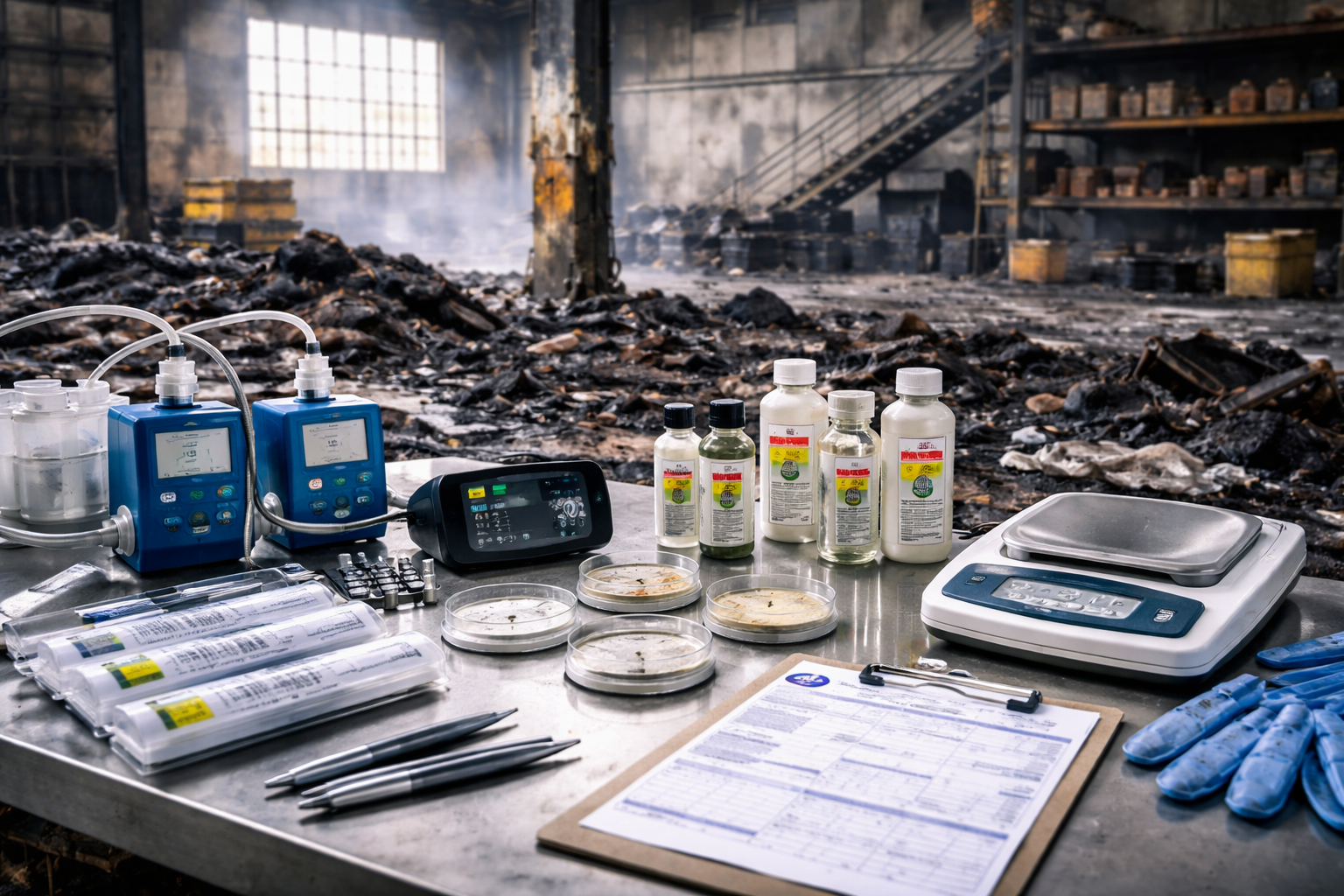
A post-fire remediation assessment is a comprehensive evaluation of a site after a fire event. It focuses on identifying hazardous residues, assessing air quality, and verifying whether remediation efforts have effectively removed contaminants.

This assessment goes beyond visual inspection. It involves:

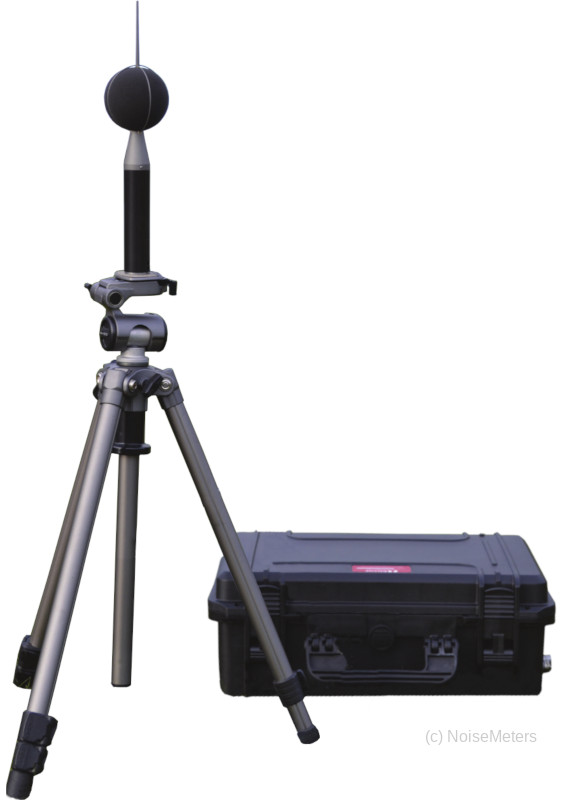
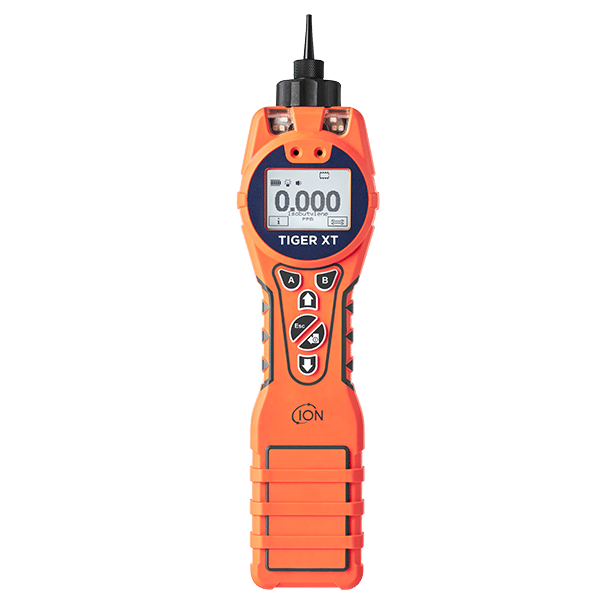
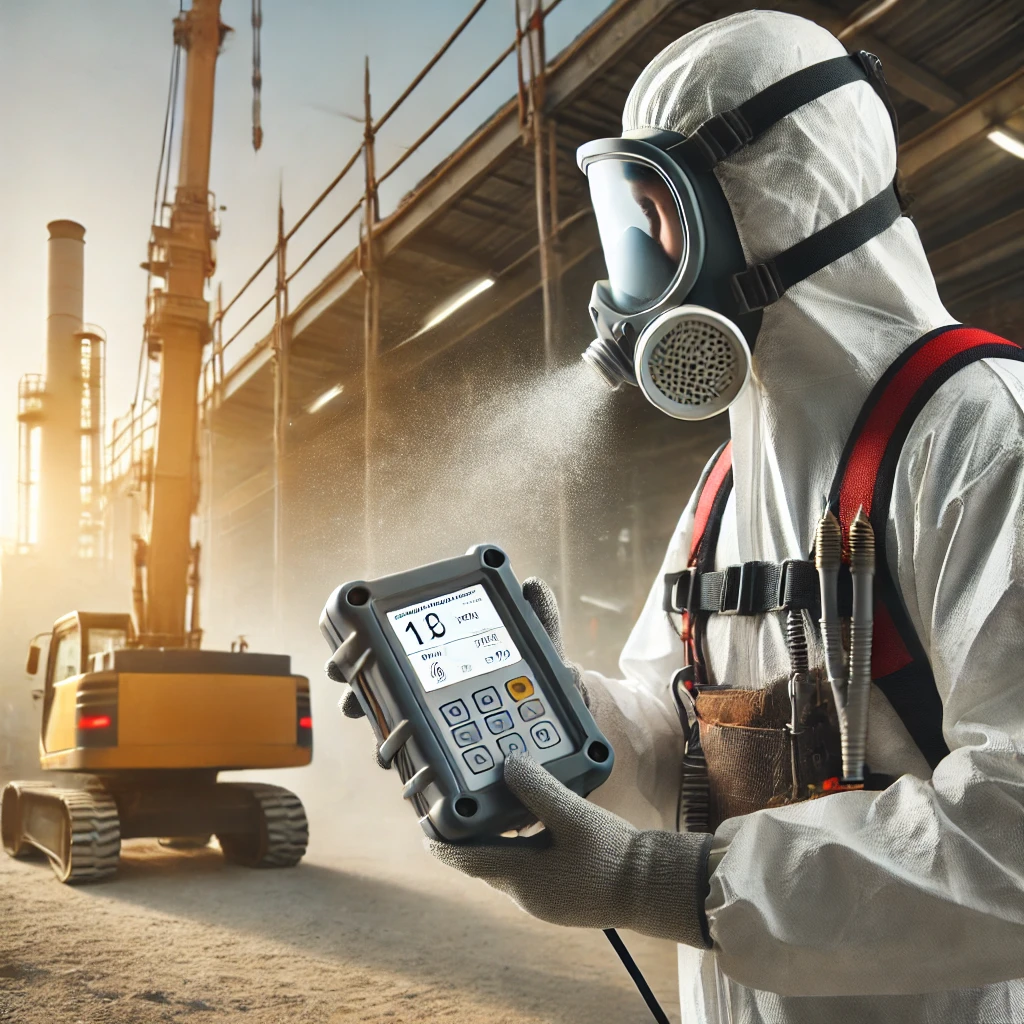
  • Air quality monitoring
  • Surface contamination testing
  • Clearance verification

The goal is simple. Ensure the environment is safe for workers, contractors, and occupants before normal operations resume.

Health Risks from Fire Residues

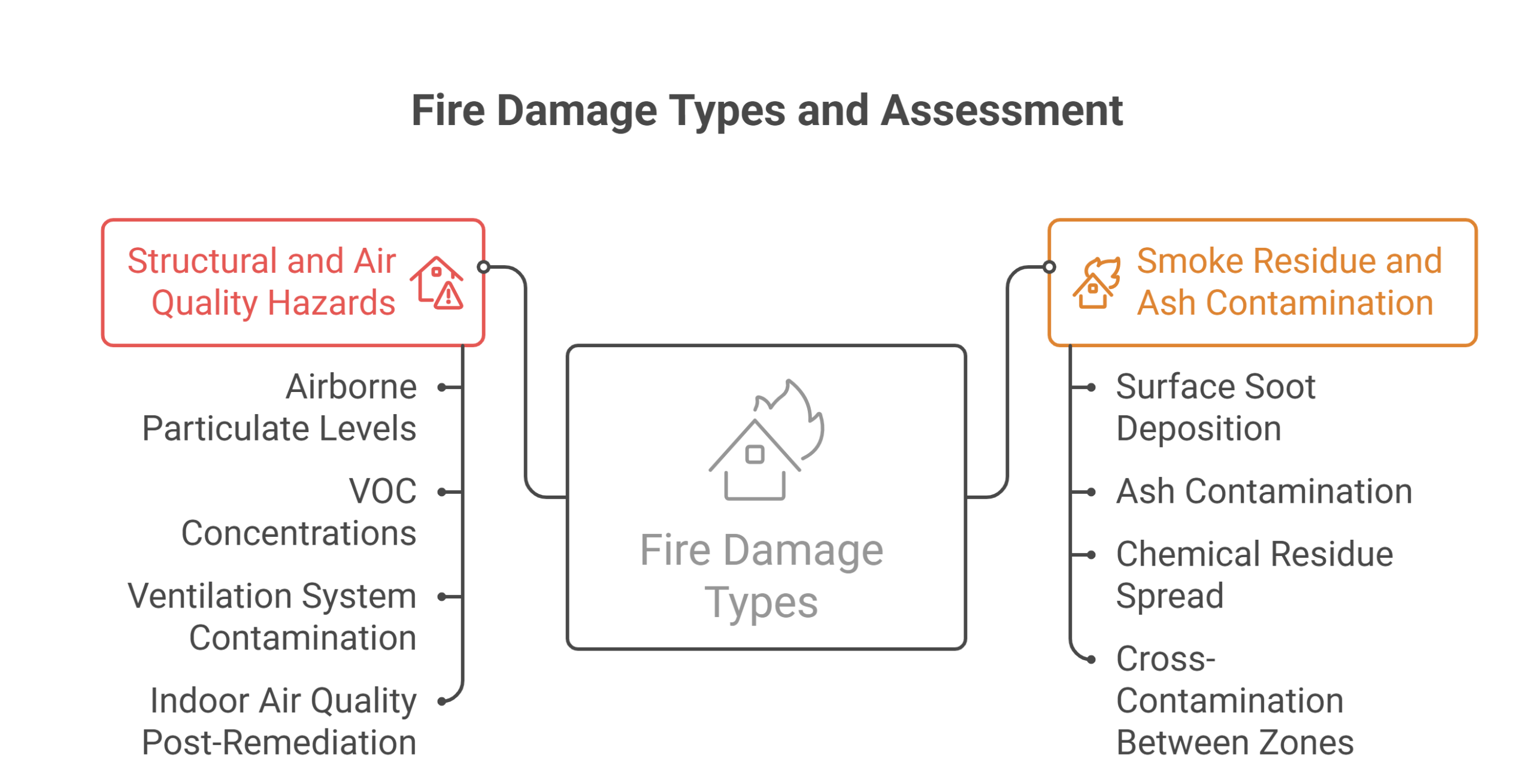
Fire residues are complex and highly variable depending on materials burned. Common contaminants include:

  • Polycyclic aromatic hydrocarbons (PAHs)
  • Volatile organic compounds (VOCs)
  • Fine particulate matter
  • Heavy metals
  • Acidic gases

These substances can persist on surfaces, in dust, and within HVAC systems.

Do You Need a Post-Fire Assessment

Many businesses assume that once visible damage is cleared, the site is safe. This is often not the case.

You should strongly consider assessment if:

  • The fire involved chemicals, plastics, or fuels
  • Smoke spread across multiple areas
  • Workers report irritation or odours
  • Insurance requires verification
  • The site must reopen quickly

Signs of Fire Damage Needing Testing

Not all contamination is visible. Key indicators include:
  • Persistent smoke odour
  • Black or grey dust deposits
  • Discolouration on surfaces
  • Oily residue on equipment
  • HVAC contamination

post fire remediation assessment

Industries We Cover Nationwide

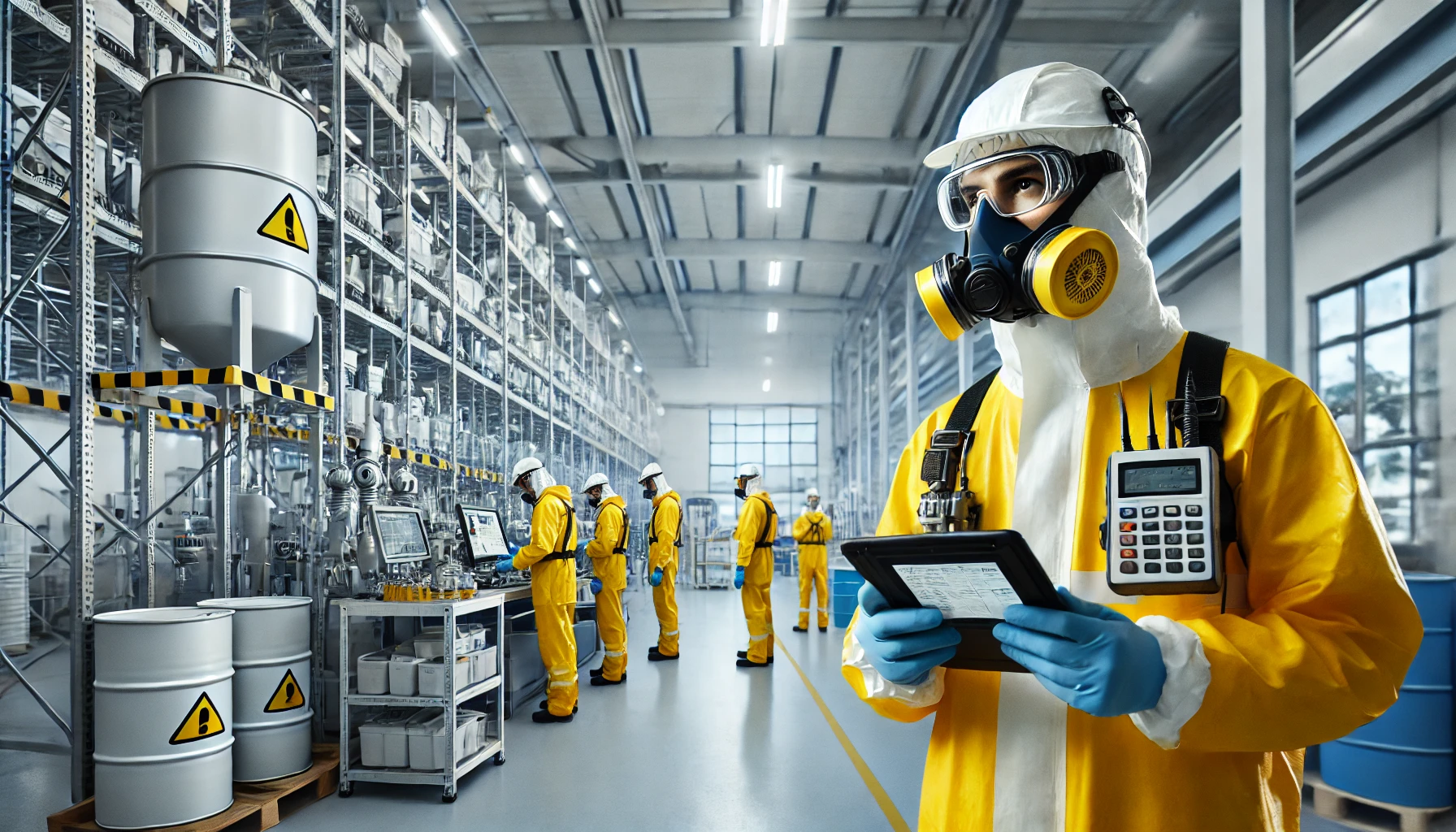
Our services are tailored for high-risk environments where fire damage can disrupt operations and compliance.

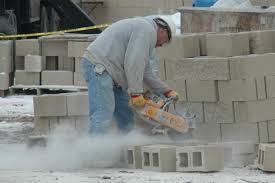
Manufacturing Warehousing and Construction

  • Warehouses storing goods or chemicals
  • Manufacturing plants
  • Construction sites with fire incidents
  • Residential premises

Commercial and Retail

  • Shopping centres
  • Office buildings
  • Processing facilities
  • Logistics hubs


Compliance Support for Insurance Claims

Post-fire assessments are often required for insurance documentation.

We assist with:
  • Independent contamination verification
  • Evidence-based reporting
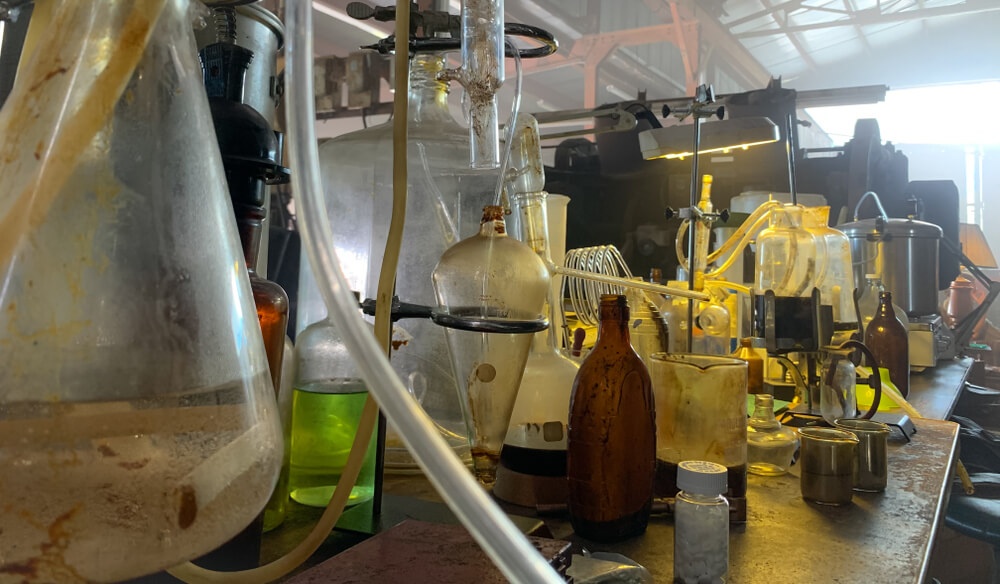
  • accredited laboratories using validated methods to ensure reliable and defensible results. Based on these findings, we provide a comprehensive remediation report outlining contamination levels, clear risk interpretation, compliance status, and practical recommendations to support safe re-occupancy and regulatory requirements.

Please Send Your Enquiry Via Completing Below Form

Why Choose Audiometrics and Medical Personnel

Certified Hygienists with 25+ Years Experience

Our team brings extensive experience in occupational hygiene and environmental testing across high-risk industries.

Minimal Disruption Nationwide Service

We operate across NSW, South Australia and Victoria, delivering onsite services that align with your operational schedules.

Fast Reports for Regulators and Auditors

We provide timely, clear reports that support compliance, insurance, and decision-making.

FAQs

  1. How long does a post-fire remediation assessment take?
    The duration depends on the size of the site, the extent of fire damage, and the number of areas requiring testing. For small commercial sites, assessments can often be completed within a day, while larger industrial facilities may take several days including sampling and analysis. Laboratory turnaround times also influence the final reporting timeline. In most cases, businesses receive initial insights quickly, followed by a detailed report within a few working days.

  2. What is the difference between fire restoration and fire remediation assessment?
    Fire restoration focuses on cleaning, repairing, and restoring the physical condition of a property after fire damage. A post-fire remediation assessment, on the other hand, evaluates whether harmful contaminants such as soot, VOCs, and toxic residues remain after cleanup. It provides scientific evidence to confirm whether the environment is safe for occupancy. Both processes are essential, but assessment ensures that restoration has been effective from a health and compliance perspective.

  3. Can smoke damage affect areas far from the fire source?
    Yes, smoke and fine particulates can travel through ventilation systems, open spaces, and structural gaps, spreading contamination well beyond the fire origin. In many cases, areas that appear unaffected visually may still contain harmful residues. This is particularly common in warehouses, offices, and multi-zone facilities. Professional testing helps identify these hidden risks and prevents unintended exposure.

  4. What happens if contamination is still found after cleanup?
    If post-remediation testing identifies remaining contamination, further targeted cleaning or remediation will be required. The assessment report will clearly highlight affected areas and recommend specific corrective actions. This ensures that remediation efforts are focused and cost-effective rather than repeating unnecessary work. Follow-up testing can then confirm whether the site meets safe re-occupancy standards.

  5. Is post-fire testing required before reopening a business?
    While not always explicitly mandated in every case, employers have a legal duty under WHS regulations to ensure a safe working environment. If there is any risk of airborne or surface contamination, testing becomes a critical step before allowing workers to return. Many insurers and regulatory bodies also expect documented evidence of safety. Conducting an assessment helps reduce liability and supports confident reopening decisions.

  6. How does fire damage impact indoor air quality over time?
    After a fire, indoor air quality can remain compromised due to lingering particles and gases released from burnt materials. These contaminants may continue to off-gas from surfaces, furnishings, and structural elements for days or even weeks. Without proper ventilation and verification, exposure risks can persist long after visible cleanup. Monitoring ensures that air quality returns to acceptable levels before occupancy.

  7. Are electronic equipment and machinery affected by fire residues?
    Yes, fire residues such as soot and corrosive particles can settle on sensitive equipment and machinery, potentially causing long-term damage. Even if systems appear functional, contamination can lead to reduced performance or future failures. Testing helps determine whether equipment areas are safe or require specialised cleaning. This is especially important in manufacturing and industrial environments.

  8. Do you provide support for insurance and compliance documentation?
    Yes, assessment reports are designed to support insurance claims, regulatory audits, and workplace compliance requirements. They include clear documentation of contamination levels, testing methods, and professional recommendations. This helps insurers validate claims and ensures businesses meet their legal obligations. Having independent, evidence-based reporting also strengthens your position during audits or investigations.

Speak With an Occupational Hygienist

Post-fire contamination is not always visible and can vary significantly depending on the materials burned, fire intensity, and site conditions. Even after fire damage clean up and smoke remediation, harmful residues such as soot, VOCs, and toxic by-products may remain. In workplaces where combustion materials, chemicals, or enclosed environments are involved, a formal post-fire remediation assessment is often necessary to meet WHS obligations and ensure the site is safe for re-occupancy.

For expert post-fire remediation assessment and fire damage restoration support across NSW and Victoria, contact Audiometrics & Medical Personnel on 03 9819 4355 or email  [email protected]

Our occupational hygienists provide practical, onsite testing with accredited laboratory analysis and clear, regulator-aligned advice to support compliance, insurance requirements, and informed risk management.

Alternatively, complete the enquiry form below and one of our team will be in touch to discuss your fire remediation and assessment requirements.

Service We Provide